
Type 2 diabetes affects more than 38 million people in the United States. It develops slowly, often after years of repeated blood sugar spikes and rising insulin resistance.
Trying to understand which foods cause diabetes risk (and which ones don’t) can feel overwhelming. It’s natural to wonder whether one specific ingredient is to blame—sugar, white bread, soda. The idea of a single “food that causes diabetes” can feel straightforward and obvious. But research shows something more gradual. Type 2 diabetes usually develops after repeated blood sugar spikes over time, shaped by overall eating habits rather than one food on its own.
Many people also ask what foods cause type 2 diabetes or whether processed foods increase diabetes risk. Research shows that certain dietary patterns, especially diets high in sugary drinks, refined carbohydrates, and ultra-processed foods, can significantly raise the risk of developing type 2 diabetes over time.
In this article, we’ll look at the 7 common foods that research links to a higher risk of diabetes, explain how they affect the body, and share realistic swaps you can start using right away.
Why certain foods raise type 2 diabetes risk
To understand why certain foods are linked to higher type 2 diabetes risk, it helps to look at how the body regulates blood glucose.
Insulin is the hormone that moves glucose (sugar) from the bloodstream into cells for energy. After meals high in refined carbohydrates or added sugars, blood glucose rises quickly. In response, the pancreas releases insulin to bring levels down.
When this happens repeatedly over months or years, cells may become less responsive to insulin. This is called insulin resistance. As insulin resistance develops, blood sugar stays elevated longer, and excess energy is more likely to be stored as fat, especially in the liver and around the abdomen.
What foods increase the risk of type 2 diabetes?
Several everyday foods are consistently linked to higher type 2 diabetes risk. These foods often cause rapid blood glucose spikes, reduce insulin sensitivity, or contribute to weight gain when eaten regularly.
Common examples include:
- Sugary drinks
- Packaged sweets and desserts
- Refined grains like white bread and white rice
- Processed and red meats
- Fried fast foods
- Sugary breakfast cereals and granola bars
- Ultra-processed convenience foods
What ultra-processed foods (UPFs) have in common
One thing many of these foods have in common is that they fall into the category of ultra-processed foods (UPFs). Ultra-processed foods are industrial products made mostly from refined ingredients, such as white flour, added sugars, oils, and additives, rather than whole foods. They often contain flavor enhancers, preservatives, or emulsifiers designed to improve taste, texture, and shelf life.
Understanding how these foods affect blood sugar can help you make small dietary changes that support healthier glucose control over time.
The top 7 foods that cause diabetes risk to rise
1. Sugary drinks (soda, energy drinks, sweetened tea, fruit drinks)

Sugar-sweetened beverages are among the most studied foods that cause diabetes risk.
A large study published in The BMJ found that each additional daily serving of sugar-sweetened beverages was associated with about an 18% higher risk of developing type 2 diabetes, even after accounting for body weight.
How sugary drinks affect blood sugar
Unlike many whole foods, sugary drinks contain almost no fiber. Fiber is the part of plant foods that slows digestion and helps glucose enter the bloodstream more gradually. Without it, the sugar in drinks is absorbed quickly, leading to rapid blood glucose spikes. When this happens often, the body has to release more insulin to bring blood sugar back down. Over time, cells may respond less effectively to insulin. This makes it harder to keep blood glucose levels steady.
Sugary drinks also provide little protein or fat and don’t create the same feeling of fullness as solid foods. As a result, people may consume more calories overall, which can contribute to weight gain and place additional strain on the systems that regulate blood sugar.
Healthier alternatives for sugary drinks
Even replacing one sugary drink per day with water can improve blood glucose stability over time.
Some go-to options are:
- Water (still or sparkling)
- Unsweetened tea or coffee
- Water flavored with citrus or berries
Tip: If cutting back feels hard, start with reduced-sugar options and step down gradually.
2. Ultra-processed foods as a whole (frozen meals, packaged convenience foods, flavored yogurts)

Diets higher in ultra-processed food, from frozen meals to packaged convenience foods and flavored yogurts, are consistently linked to higher rates of type 2 diabetes.
Large pooled analyses have found that 10% increase in calories from ultra-processed foods corresponds to roughly a 12 to 13% increase in diabetes risk. The relationship appears gradual: as intake rises, so does risk.
How ultra-processed foods affect blood sugar
Ultra-processed foods tend to stack multiple risk factors at once: they’re high in refined starches and added sugars that digest quickly, low in fiber and protein, and often high in unhealthy fats that contribute to inflammation and insulin resistance. Some additives common in these products (like emulsifiers and artificial sweeteners) may also affect gut bacteria in ways that influence how the body processes glucose. Eaten regularly, that combination puts steady, compounding pressure on blood sugar regulation.
This is why many nutrition researchers study ultra-processed foods and diabetes risk together, as these foods combine multiple factors known to disrupt blood sugar regulation.
What a different balance can look like
Changing that balance doesn’t have to be complicated or time-consuming. It can be as simple as:
- A meal built around vegetables and a whole grain
- Beans or lentils added to salads or grain bowls
- Frozen vegetables paired with simple proteins
Tip: For a deeper look at how to recognize ultra-processed foods in everyday grocery aisles, read How to Identify Ultra-Processed Foods (Even When Labels Mislead You).
3. Packaged snacks and desserts (cookies, cakes, pastries, candy bars)
What the research shows
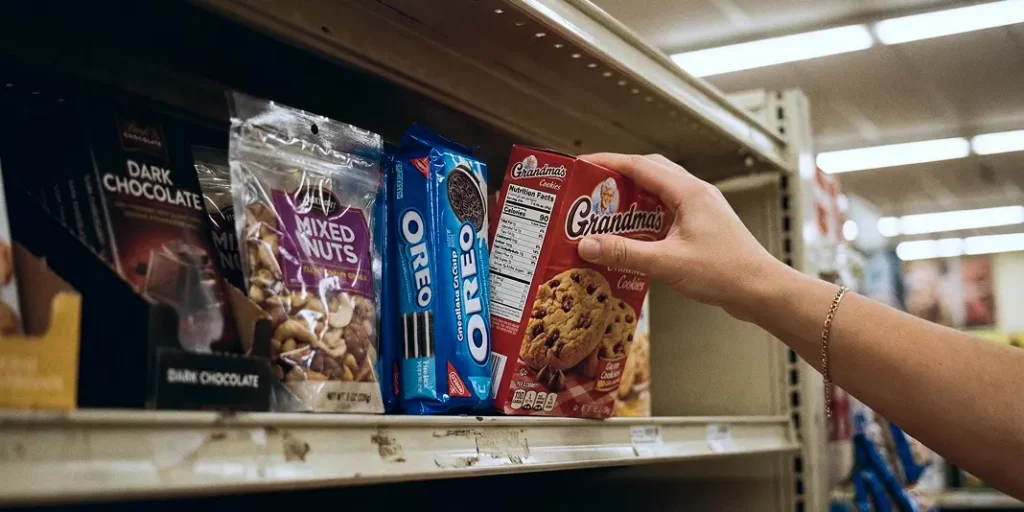
Among ultra-processed foods, packaged sweets are some of the most concentrated offenders—and among the worst foods for diabetes and those at risk. Cookies, cakes, pastries, and candy bars pack refined flour, added sugars, and industrial fats into small portions, with almost no fiber. The dangers of trans fats in snacks add another problem: they increase inflammation and further reduce insulin sensitivity.
These foods also illustrate the hidden sugars in processed foods, where large amounts of added sugar are included in products that appear small or convenient.
How packaged sweets affect blood sugar
That combination means the blood sugar impact hits faster and harder than most other foods. And because these products are easy to eat in quantity without feeling full, that impact can repeat several times throughout the day.
Healthier alternatives for packaged snacks and desserts
Packaged sweets aren’t the only way to satisfy a sweet tooth. These healthy alternatives offer sweetness with more fiber and less sugar:
- Fresh fruit with a handful of nuts
- Plain yogurt topped with berries
- Home-baked treats made with oats or whole grain flour and less added sugar
Tip: Even swapping one packaged snack for a product built from whole ingredients can start to shift the balance over time.
4. White bread, refined grains, and white rice
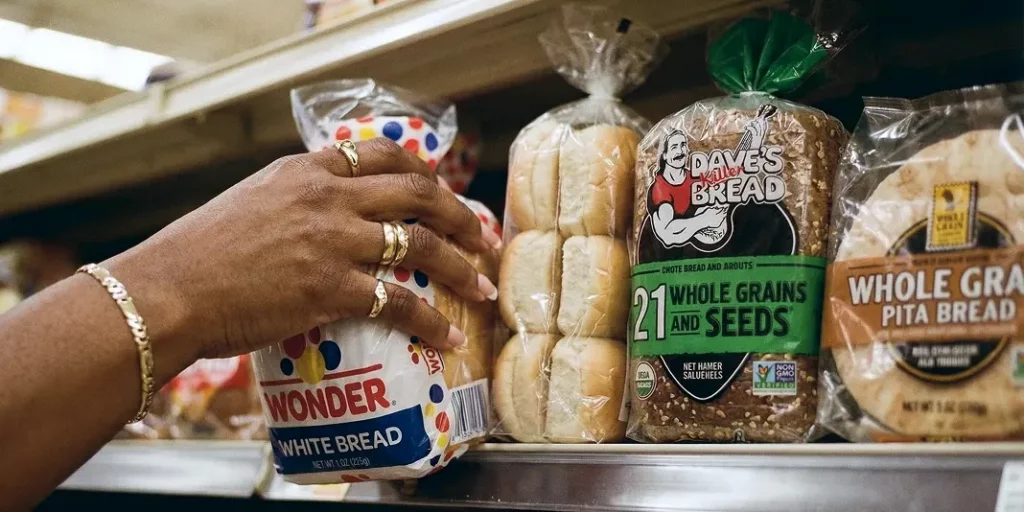
Refined grains are also closely tied to a higher type 2 diabetes risk. Studies consistently find that higher intake of refined grains is associated with increased risk, while whole grain intake is linked to lower risk. One meta-analysis reports a greater risk of diabetes with higher white rice consumption, with each additional daily serving linked to about an 11% higher risk.
How refined grains affect blood sugar
The refining process removes much of what slows digestion. As a result, starch is broken down more quickly, and glucose enters the bloodstream faster. Blood sugar rises sharply, triggering insulin release more often and gradually making it harder for the body to respond to insulin effectively.
Because white bread, white rice, and similar grains digest quickly, they can drive this cycle more rapidly than whole grains. This is why refined carbs have such a direct impact on insulin response and long-term blood sugar control.
Healthier alternatives for refined grains
Whole grains retain more of their original structure. On a typical grocery list, that can mean:
- Whole grain bread
- Brown rice or quinoa
- Oats or whole wheat pasta
Tip: Mixing white and brown rice, or replacing part of a refined grain serving with a whole grain, can make the shift feel more gradual.
5. Red and processed meats (bacon, sausage, deli meats, hot dogs, steak)
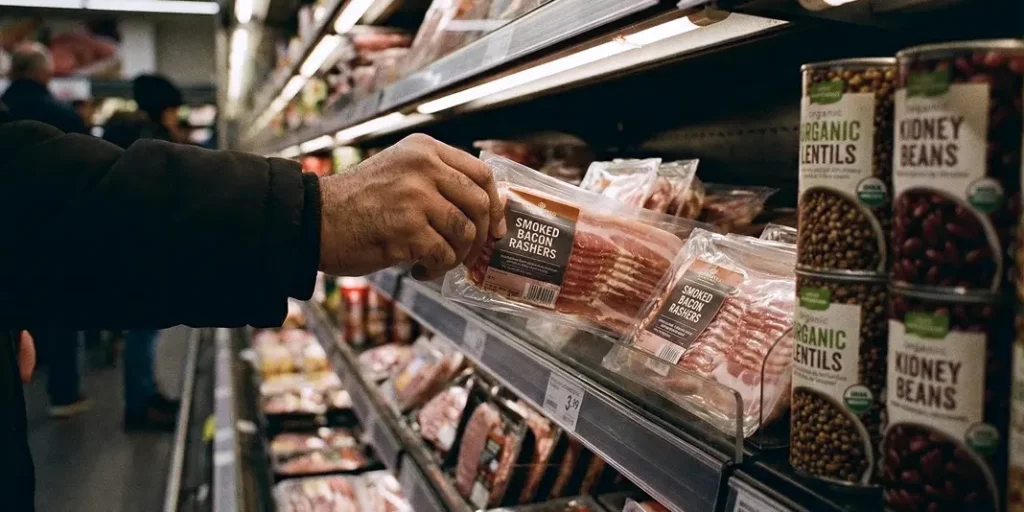
Research shows that processed red meats can also cause diabetes risk to rise. People who eat the most have a 27 to 34% higher risk of type 2 diabetes compared to those who eat the least. Even unprocessed red meat is associated with a 10 to 24% higher risk, depending on how much meat is consumed.
How meat affects blood sugar
Curing, smoking, and preserving meat changes more than just flavor. Processed meats are treated with preservatives and often contain higher levels of sodium and saturated fat. Diets high in these ingredients are linked to inflammation and reduced insulin sensitivity.
Red meat also rarely appears on its own. It often shares the plate with refined grains, fried foods, or sugary drinks. These combinations intensify the impact on blood sugar regulation over time.
Healthier alternatives for red and processed meats
Protein doesn’t have to center on cured or preserved meats. Try these instead:
- Beans
- Lentils
- Tofu
- Rotisserie chicken
- Fish
Tip: A simple breakfast like scrambled eggs with vegetables can be filling and easy to prepare. For lunch, a veggie-and-hummus wrap can stand in for a deli meat sandwich without much extra effort.
6. Fried fast foods (french fries, fried chicken, fried snacks)
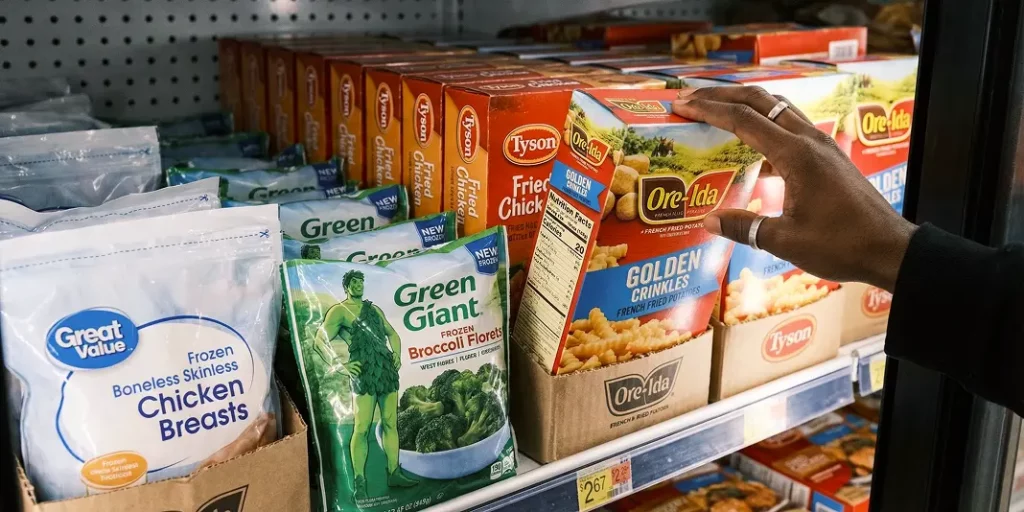
Fried foods are another category that consistently appears in long-term research on diet and type 2 diabetes. According to a large long-term cohort study, people who eat fried foods more frequently may have a higher risk of developing type 2 diabetes and coronary artery disease.
How fried fast foods affect blood sugar
Frying adds oils and increases calorie density, while also altering how starch is digested. Carbohydrates break down more quickly, blood sugar rises more sharply, and insulin is called into action more often.
These meals often come as a package: fries alongside a sandwich, a sugary drink on the side. The combined effect can put added strain on blood sugar regulation when repeated regularly.
Healthier alternatives to fried fast foods
The ingredients don’t always have to change—sometimes the method does. That can mean:
- Potatoes roasted or air-fried instead of deep-fried
- Chicken grilled or baked instead of battered and fried
- Vegetables roasted rather than coated and crisped in oil
Tip: Keeping the structure of a familiar meal while changing how it’s cooked can reduce added fats without feeling like a complete overhaul.
7. Sugary breakfast cereals and granola bars
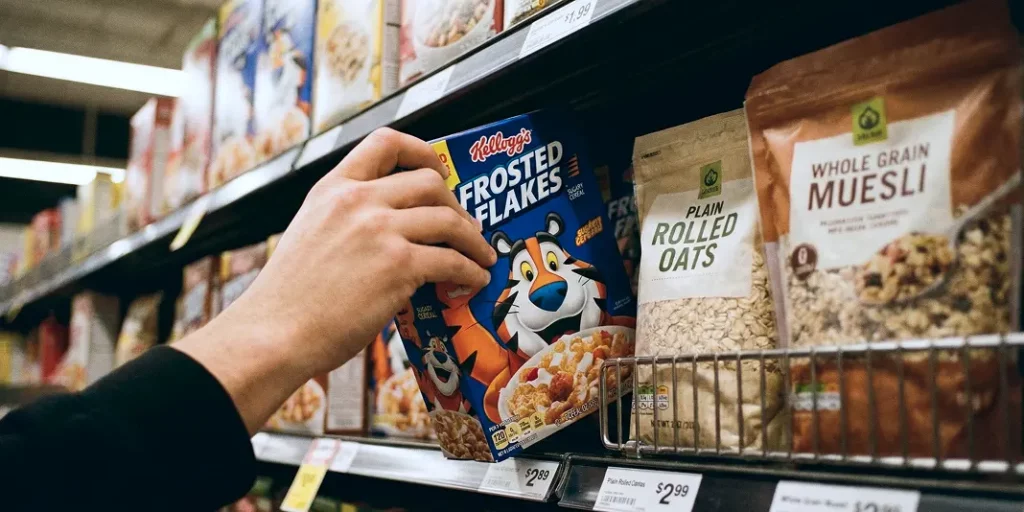
Many breakfast cereals and granola bars carry labels like “whole grain,” “natural,” or “high protein.” Yet some contain more added sugar than fiber. That gap between what the packaging promises and what’s actually inside is what makes this category easy to underestimate. It’s one of the most common examples of hidden sugars in processed foods.
How breakfast cereals and granola bars affect blood sugar
As we touched on earlier, fiber is exactly what slows digestion and keeps blood sugar from spiking. A product that’s low in fiber but high in added sugar will behave more like a sugary snack in your body than a nutritious breakfast, regardless of what the front of the box says. When a morning meal works that way, blood sugar rises and falls quickly, often triggering hunger again within a couple of hours and setting off repeated insulin release through the rest of the morning.
Healthier alternatives to granola bars and sugary cereals
Breakfast can look different when it starts with whole ingredients, such as:
- Oatmeal topped with nuts and fresh fruit
- Plain yogurt with seeds and a small portion of lower-sugar granola
For packaged cereals, options with at least 3 grams of fiber and lower added sugar tend to create steadier blood sugar levels.
How to read labels and spot hidden sugars
Food labels can be confusing—and that’s often by design. A product can say “reduced calorie,” or “no artificial ingredients” on the front while still being high in added sugar.
A useful example: a popular flavored yogurt may carry a “made with real fruit” label, yet contain more than 20 grams of added sugar per serving, well above the recommended daily limit.
A closer look at the Nutrition Facts panel can provide more useful information than front-of-package claims.
Here’s what to check:
- Added sugars line. Aim for less than 8 to 10 grams per serving for cereals and snack bars. Keep in mind that many packaged products contain hidden sugars in processed foods under names like corn syrup, cane sugar, or fruit juice concentrate.
- Fiber content. Look for at least 3 to 5 grams per serving in breads, cereals, and grains.
- Ingredients order. Ingredients are listed by weight, from most to least. For example, if added sugars appear near the top of the list, they make up a larger share of the product. Shorter ingredient lists with recognizable components generally suggest less extensive processing.
- Signs of heavy processing. When a product contains artificial flavors, emulsifiers, or multiple preservatives, it is likely more extensively processed.
For a closer look at how food labels can mislead, read Do “Organic” and “Healthy” Labels Guarantee Fewer UPFs?
What to eat instead: a day of lower-risk choices
Changes don’t have to happen all at once. Even a couple of steady shifts can gradually change the overall balance of a day’s meals. Here’s what a lower-risk day of eating could look like in practice.
Breakfast: Oatmeal with berries and unsweetened tea instead of sweetened cereal and orange juice.
Lunch: A grain bowl with beans and roasted vegetables paired with water instead of a burger, fries, and soda.
Snack: Fruit and a handful of almonds in place of a cookie or candy bar.
Dinner: Baked salmon with brown rice and vegetables instead of steak and white rice.
Over time, choices like these move your meals away from refined grains and added sugars and toward foods with more fiber and nutrients. Consistent improvements to dietary habits—not perfection—are what reduce long-term type 2 diabetes risk.
A few steps to take from here
Gradually limiting the foods that cause diabetes risk can shift your eating habits in a healthier direction. Start with one or two swaps from this list that feel manageable this week.
If you’ve already been diagnosed with prediabetes, or if you’re living with type 2 diabetes and want to better understand how your diet affects your health, speaking with a healthcare provider or registered dietitian can help you find an eating approach that works for your specific situation.
This article is for educational purposes only and does not constitute medical advice. Individual nutritional needs vary. Please consult a qualified healthcare professional for personalized guidance.